

30-50% pigment fading transforms hyperpigmentation care in 2026
Hyperpigmentation affects melanin-rich skin differently than lighter tones, often persisting longer and worsening with harsh treatments. Many Black women experience stubborn dark spots that resist standard brightening routines, leaving frustration in their wake. This guide walks you through a gentle, evidence-based approach tailored for European climates and the unique needs of melanin-rich skin, helping you achieve visible fading without compromising your skin barrier.
Table of Contents
- Understanding Hyperpigmentation In Melanin-Rich Skin
- Prerequisites: What You Need Before Starting Treatment
- Stepwise Gentle Skincare Routine For Hyperpigmentation
- Common Mistakes And How To Troubleshoot Them
- Expected Results And Timelines
- Alternative Approaches And Lifestyle Support
- Discover Gentle, Effective Hyperpigmentation Care At Navova
- FAQ
Key takeaways
| Point | Details |
|---|---|
| Melanin-rich skin needs gentle care | Aggressive treatments can worsen hyperpigmentation and damage your barrier. |
| Niacinamide and azelaic acid are safe first steps | These ingredients reduce pigmentation without irritation when introduced gradually. |
| Sun protection is non-negotiable | Daily broad-spectrum SPF 30+ prevents new dark spots and protects fading progress. |
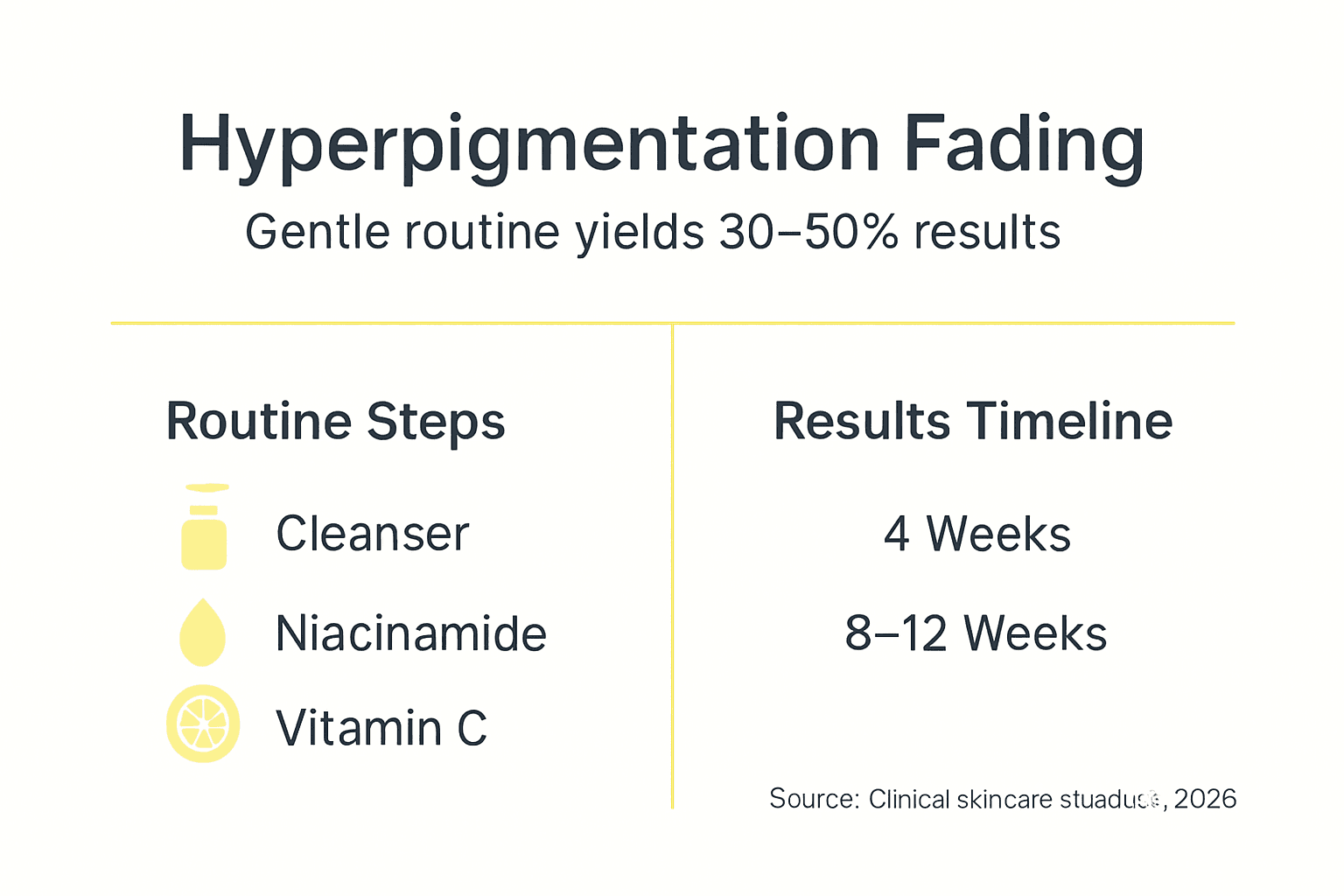
| Results appear in 4 to 12 weeks | Consistent use delivers 30-50% pigment reduction by 8 weeks, continuing improvement beyond. |
| Hydration and barrier support enhance outcomes | Ceramide-rich moisturizers improve resilience and treatment tolerance. |
Understanding hyperpigmentation in melanin-rich skin
Hyperpigmentation describes visible darkening of skin caused by excess melanin production or inflammatory responses. Post-inflammatory hyperpigmentation (PIH) specifically develops after trauma like acne, burns, or irritation, leaving dark marks that linger for months or years.
Black skin contains more active melanocytes that respond intensely to inflammation and injury. This heightened sensitivity means even minor irritation can trigger excessive pigment production, creating stubborn dark spots. Without proper care, these marks can darken further or spread, especially when exposed to UV radiation or harsh chemical treatments.
Many believe aggressive bleaching agents offer quick fixes, but aggressive bleaching agents can cause rebound hyperpigmentation in up to 30% of Black skin cases. Rebound hyperpigmentation occurs when skin reacts to irritation by producing even more melanin, worsening the original concern. This reality underscores why gentle, tailored approaches backed by clinical evidence are essential for sustainable improvement.
Common causes of hyperpigmentation in melanin-rich skin include:
- Acne and skin trauma triggering inflammation and PIH
- UV exposure without adequate protection accelerating melanin production
- Hormonal fluctuations during pregnancy or contraceptive use
- Irritation from harsh exfoliants or unsuitable active ingredients
- Underlying skin conditions like melasma or eczema
Understanding these triggers helps you avoid practices that worsen pigmentation. Inclusive skincare for melanin-rich skin prioritizes barrier health and inflammation control, forming the foundation for successful hyperpigmentation care.
Prerequisites: what you need before starting treatment
Before introducing active ingredients, assess your skin condition carefully. Active irritation, open wounds, or compromised barrier function require healing before beginning pigment-fading treatments. Starting actives on inflamed skin can trigger additional PIH, setting you back weeks or months.
Patch testing new products minimizes adverse reactions. Apply a small amount of each new product to your inner forearm or behind your ear, waiting 24 to 48 hours to observe for redness, itching, or burning. This simple step protects you from full-face reactions that could worsen pigmentation.
Gather these foundational products before starting treatment:
- Gentle, pH-balanced cleanser without sulfates or harsh surfactants
- Ceramide-rich moisturizer to strengthen barrier function and retain hydration
- Broad-spectrum SPF 30+ sunscreen with UVA and UVB protection
- One active ingredient like niacinamide or azelaic acid to start gradual introduction
Research shows hydration and barrier support using emollients and humectants improve skin resilience, reduce sensitivity, and enhance treatment outcomes. Without adequate hydration, active ingredients can penetrate too deeply, causing irritation that triggers new pigmentation. Prioritizing hydration and barrier support tips ensures your skin tolerates treatment and responds positively.
Commit to gradual introduction of actives. Starting with low concentrations two to three times weekly allows your skin to build tolerance without overwhelming your barrier. Daily UVA and UVB protection prevents new pigmentation and protects the fading progress you achieve with actives.
Pro Tip: Keep a skincare journal tracking product introduction dates, frequency, and skin reactions to identify what works best for your unique needs.
Understanding the importance of safe skincare actives empowers you to make informed choices that support long-term skin health rather than chasing quick fixes that damage your barrier.
Stepwise gentle skincare routine for hyperpigmentation
A phased approach allows your skin to adapt while delivering measurable pigment reduction. Each step builds on the previous one, creating a comprehensive routine that fades dark spots without compromising barrier integrity.
Step 1: Begin with gentle cleansing morning and evening using a pH-balanced formula. Follow immediately with a ceramide-rich moisturizer to lock in hydration and support barrier repair. Regular use of ceramide-rich moisturizers reduces transepidermal water loss (TEWL) by approximately 25-40%, improving barrier function. This foundation prepares your skin for active ingredients.
Step 2: Introduce niacinamide at 5% concentration or azelaic acid at 10% concentration three times weekly in the evening. Both ingredients reduce pigmentation and inflammation without the irritation risk of harsher actives. Niacinamide inhibits melanosome transfer from melanocytes to keratinocytes, while azelaic acid normalizes keratinization and reduces melanin synthesis.
Step 3: After four weeks of tolerance, add stable vitamin C formulations like L-ascorbic acid or ascorbyl glucoside in the morning. Vitamin C provides antioxidant protection and inhibits tyrosinase, the enzyme responsible for melanin production. Start with lower concentrations around 10% and gradually increase as your skin adapts.
Step 4: Once you tolerate niacinamide and vitamin C consistently, introduce retinoids two to three times weekly. Retinoids accelerate cell turnover, helping fade pigmented cells faster while preventing new dark spots. Begin with retinol at 0.25% to 0.5% concentration, increasing frequency and strength only after several weeks of tolerance.
Step 5: Apply broad-spectrum SPF 30+ every morning as the final step, reapplying every two hours during sun exposure. Sun protection prevents UV-induced melanin production that undermines your treatment progress.
| Ingredient | Primary Role | Key Benefits | Irritation Risk |
|---|---|---|---|
| Niacinamide | Melanin transfer inhibitor | Reduces inflammation, improves barrier, fades pigmentation | Low |
| Azelaic Acid | Tyrosinase inhibitor | Normalizes keratinization, antibacterial, evens tone | Low to moderate |
| Vitamin C | Antioxidant brightener | Inhibits tyrosinase, protects from UV damage, boosts collagen | Moderate (pH-dependent) |
| Retinoids | Cell turnover accelerator | Fades pigmented cells, prevents new spots, improves texture | Moderate to high |
Pro Tip: Always introduce one active at a time with low frequency to monitor skin reactions and identify any ingredients that trigger sensitivity.
This stepwise progression respects your skin’s adaptation timeline while building a comprehensive routine. Gentle skincare routines for melanin-rich skin emphasize patience and consistency over aggressive intervention. A minimalist skincare approach focusing on proven actives delivers better results than complicated routines with multiple untested products.
Clinical evidence confirms that barrier repair benefits extend beyond hydration, improving treatment tolerance and outcomes. Combining hydration with evidence-backed ingredient efficacy creates the optimal environment for sustainable pigment fading.
Common mistakes and how to troubleshoot them
Over-exfoliation ranks among the most damaging mistakes for melanin-rich skin. Chemical exfoliants like glycolic acid and physical scrubs can strip your barrier, triggering inflammation that worsens hyperpigmentation. Over-exfoliation can cause rebound post-inflammatory hyperpigmentation in melanin-rich skin, creating new dark spots while attempting to fade existing ones.
Limit exfoliation to once or twice weekly using gentle formulas. Choose lactic acid or mandelic acid over glycolic acid, as their larger molecular size penetrates more slowly, reducing irritation risk.
Starting retinoids or vitamin C too quickly without proper introduction causes redness, peeling, and sensitivity. These reactions can trigger PIH in melanin-rich skin, setting back your progress significantly. Always patch test new actives and begin with the lowest effective concentration, increasing frequency only after your skin demonstrates tolerance.
Neglecting daily sun protection undermines every treatment effort. UV exposure stimulates melanocytes to produce more pigment, darkening existing spots and creating new ones. Even on cloudy days or indoors near windows, UVA rays penetrate and trigger melanin production. Broad-spectrum SPF 30+ protection every morning is non-negotiable.
Recognize early signs of irritation to prevent worsening:
- Persistent redness or warmth indicating inflammation
- Peeling or flaking beyond normal cell turnover
- Increased sensitivity to products previously tolerated
- New dark spots or darkening of existing hyperpigmentation
- Burning or stinging sensations during product application
Pro Tip: Consistency beats speed in hyperpigmentation treatment. Gradual progression reduces setbacks and builds tolerance, delivering better long-term results than aggressive approaches.
If irritation develops, pause all active ingredients immediately. Return to basic hydration and barrier repair for one to two weeks before reintroducing actives at lower frequency. Introducing skincare actives safely requires listening to your skin’s signals and adjusting accordingly.
Learn more about managing irritation and rebound pigmentation to protect your progress and avoid common pitfalls that derail treatment success.
Expected results and timelines
Realistic expectations prevent frustration and support consistent routine adherence. Most users observe initial improvements in skin texture and radiance within two to four weeks, with visible dark spot fading appearing between four and eight weeks of consistent use.

Clinical data demonstrates visible fading of hyperpigmentation with topical treatments typically appears between 4 to 12 weeks, with 30-50% improvement by 8 weeks. This timeline varies based on pigmentation depth, skin type, routine consistency, and sun protection adherence.
Improvement continues beyond the initial eight weeks for many users. Deeper pigmentation requires longer treatment duration, often showing maximum fading between 12 and 16 weeks. Patience and consistency during this period determine ultimate success.
| Timeline | Expected Improvement | Visual Cues |
|---|---|---|
| 2-4 weeks | Enhanced radiance and texture | Smoother feel, subtle brightness, improved hydration |
| 4-8 weeks | 30-50% pigment reduction | Visible lightening of dark spots, more even tone |
| 8-12 weeks | 50-70% pigment reduction | Significant fading, blending of spots with surrounding skin |
| 12+ weeks | Maximum fading achieved | Continued improvement with maintenance routine |
Routine adherence directly correlates with results. Skipping sun protection, inconsistent active use, or stopping treatment prematurely can reverse progress. Your skin continuously produces melanin, so maintenance remains essential even after achieving desired fading.
Sudden changes or stopping treatment often trigger rebound pigmentation as skin attempts to restore its previous state. Gradual reduction in active frequency while maintaining hydration and sun protection preserves your results long-term.
Explore safe hyperpigmentation treatment timelines for detailed guidance on tracking progress and adjusting your routine as you advance through treatment phases.
Alternative approaches and lifestyle support
Topical treatments work best when supported by holistic lifestyle practices that reduce inflammation and enhance skin healing. Your daily habits significantly influence hyperpigmentation progression and treatment response.
Antioxidant-rich foods neutralize free radicals that trigger melanin overproduction. Incorporate berries, leafy greens, nuts, and fatty fish rich in omega-3 fatty acids to support skin health from within. Vitamin E, vitamin C, and beta-carotene consumed through diet complement topical antioxidant treatments.
Stress management reduces inflammatory cytokines that worsen hyperpigmentation. Chronic stress elevates cortisol, triggering inflammation that stimulates melanocytes and delays healing. Practices like meditation, yoga, or regular exercise help regulate stress hormones and support skin recovery.
Adequate hydration maintains skin barrier function and facilitates cellular repair processes. Aim for eight glasses of water daily, adjusting for activity level and climate. Well-hydrated skin responds better to active ingredients and experiences less irritation during treatment.
Quality sleep allows skin to complete its natural repair cycle. Growth hormone released during deep sleep promotes collagen synthesis and cell regeneration. Aim for seven to nine hours nightly to optimize healing and treatment outcomes.
Daily habits that support hyperpigmentation care:
- Consume colorful fruits and vegetables providing diverse antioxidants
- Practice stress reduction techniques for at least 10 minutes daily
- Stay hydrated throughout the day with water and herbal teas
- Prioritize consistent sleep schedules supporting circadian rhythm
- Avoid smoking and excessive alcohol consumption that impair healing
- Protect skin from environmental stressors with appropriate clothing and accessories
Holistic care enhances topical treatment benefits and supports long-term skin health beyond pigmentation fading. These practices reduce the inflammatory burden that drives hyperpigmentation, creating optimal conditions for visible improvement.
Discover more holistic hyperpigmentation care tips that integrate seamlessly with your skincare routine for comprehensive results.
Discover gentle, effective hyperpigmentation care at Navova
Your journey to clearer, more even skin deserves products formulated specifically for melanin-rich skin’s unique needs. Navova creates COSMOS-certified skincare rooted in gentle, barrier-respecting care that supports your skin rather than fighting it.

Our personalized skincare quiz identifies the exact products suited to your skin type, concerns, and sensitivity level. Within minutes, receive tailored recommendations that take the guesswork out of building your hyperpigmentation routine.
Explore Navova’s gentle skincare products designed with melanin-rich skin in mind. Each formula prioritizes hydration, balance, and long-term resilience over aggressive intervention. Our inclusive skincare approach embraces your skin’s natural beauty while addressing specific concerns with evidence-backed ingredients.
No hype. No harshness. Just supportive skincare that feels safe and intentional as you work toward your skin goals.
FAQ
What is hyperpigmentation and why does it affect melanin-rich skin differently?
Hyperpigmentation describes visible darkening caused by excess melanin production following inflammation or injury. Melanin-rich skin contains more active melanocytes that respond intensely to irritation, creating longer-lasting dark spots than lighter skin tones experience.
Can I use hydroquinone or bleaching agents safely for hyperpigmentation?
Hydroquinone and harsh bleaching agents carry significant risks for melanin-rich skin, including irritation and rebound hyperpigmentation. Safer alternatives like niacinamide, azelaic acid, and vitamin C deliver effective fading without damaging your barrier when introduced gradually under proper guidance.
How long does it take to see results with gentle hyperpigmentation treatments?
Visible fading typically appears between four and 12 weeks of consistent use, with 30 to 50% improvement by eight weeks according to clinical data. Patience and routine adherence are essential, as deeper pigmentation requires longer treatment duration for maximum fading.
Why is daily sun protection crucial even for dark skin with natural UV protection?
While natural melanin provides some UV defense, it remains insufficient to prevent pigmentation worsening. Daily broad-spectrum SPF 30+ blocks UVA and UVB rays that stimulate melanocytes, preventing new dark spots and protecting your treatment progress from reversal.
Recommended
- How to Treat Hyperpigmentation Safely at Home – Navova
- Navova Dark Spot Care | Targeted Brightening & Even Tone
- What Is Long-Term Skincare and Why It Matters – Navova
- 6 Types of Skincare Routines for Melanin-Rich Skin – Navova
- Tandblekning - Diva Tandklinik
- Achieve a Dazzling Smile: 5 Modern Cosmetic Dentistry Treatments for a Picture-Perfect Look - Monteluz Specialty