

Inclusive Skincare: What It Means for Melanin-Rich Skin
Finding skincare that truly supports melanin-rich skin can feel like searching for a missing puzzle piece. Many brands still treat Black skin as an afterthought, ignoring its unique hydration needs and sensitivity patterns. Inclusive skincare is about science-backed formulas tested for your skin tone and rooted in dedicated research. Discover how gentle ingredients, deep hydration, and transparent development practices are reshaping beauty for Black women in Europe and the United States.
Table of Contents
- Inclusive Skincare Defined and Common Myths
- How Inclusive Skincare Addresses Skin Diversity
- Key Features for Melanin-Rich and Sensitive Skin
- Formulation Challenges and Ethical Commitments
- What to Avoid in Non-Inclusive Skincare Choices
Key Takeaways
| Point | Details |
|---|---|
| Inclusive Skincare Focuses on Melanin-Rich Needs | Products should be specifically tested on darker skin tones to address unique needs and prevent issues like irritation and hyperpigmentation. |
| One Formula Does Not Fit All | Different skin tones react differently to ingredients, necessitating tailored formulations for effective results. |
| Common Myths Can Be Harmful | Misconceptions about Black skin needing less care can lead to inadequate products that do not support hydration and barrier health appropriately. |
| Transparent Research is Essential | Brands must include diverse skin tones in clinical studies to ensure products are genuinely effective for a variety of users. |
Inclusive Skincare Defined and Common Myths
Inclusive skincare means formulating products and routines that actually work for Black skin, not as an afterthought. It’s rooted in recognizing that melanin-rich skin has distinct needs that differ from lighter skin tones—and those needs deserve dedicated research and clinical testing.
For decades, the skincare industry treated darker skin tones like an optional checkbox. Products were developed for Caucasian skin first, then vaguely adjusted for everyone else. That approach failed Black women consistently, leaving you with options that either sat on your skin like a film or caused irritation.
What inclusive skincare actually means:
- Formulations tested on melanin-rich skin during development, not after
- Recognition that hyperpigmentation, texture sensitivity, and barrier health differ across skin tones
- Honest acknowledgment that one formula cannot serve all skin types equally
- A commitment to hydration and barrier support as foundational, not optional
- Ingredients chosen for their gentleness and effectiveness on darker skin specifically
The gap in research for melanin-rich skin created a perfect storm. Addressing gaps in research and formulation for melanin-rich skin became essential as brands recognized they’d been ignoring an entire population’s needs.
Myth 1: Black Skin Doesn’t Need Special Skincare
This myth is expensive and damaging. Your skin has different barrier architecture, higher melanin concentration, and distinct sensitivity patterns. A gentle hydrating routine isn’t luxury—it’s basic respect for your skin’s actual needs.
Your skin doesn’t need aggressive actives and harsh exfoliants. It needs consistent hydration, barrier support, and ingredients that won’t trigger hyperpigmentation or inflammation.
Myth 2: One Formula Works for Everyone
This ignores science entirely. Melanin-rich skin responds differently to ingredients than fair skin does. What soothes one person’s inflammation might trigger another’s.
Why formulation matters:
- Concentration levels affect darker skin differently than lighter skin
- Certain ingredients increase risk of post-inflammatory hyperpigmentation
- Barrier sensitivity requires different supporting ingredients
- Hydration needs are often higher due to natural skin architecture
Myth 3: Skincare for Black Skin is Too Expensive
Gentle, barrier-respecting skincare doesn’t require a five-step routine or luxury pricing. It requires intentional formulations with the right hydrating and supporting ingredients at effective concentrations.
Pro tip: Start by identifying whether your skin leans toward dryness, sensitivity, or both, then build a minimal routine around those specific needs rather than copying someone else’s eight-step process.
How Inclusive Skincare Addresses Skin Diversity
Inclusive skincare goes beyond marketing language to tackle real scientific problems. It recognizes that melanin-rich skin requires different formulation strategies, ingredient concentrations, and testing protocols than what’s typically standard in the industry.

Your skin experiences environmental stress differently. Sun exposure, pollution, and climate create distinct challenges for melanin-rich skin. These factors compound when skincare is developed without accounting for your specific barrier structure and sensitivity patterns.
Research That Actually Includes You
Combining scientific research with cultural insights has become the gold standard for addressing melanin-rich skin properly. Brands now recognize that clinical trials must include diverse skin tones from the start, not as an afterthought.
Historically, skincare research excluded or underrepresented darker skin tones in testing. This created products that worked brilliantly for lighter skin but irritated or failed to address the specific needs of Black skin.
What proper research includes:
- Testing across multiple skin tones during product development phases
- Analysis of how ingredients interact with melanin specifically
- Assessment of hyperpigmentation risk and barrier sensitivity
- Real-world testing in climates and environments where Black women live
- Feedback loops that adapt formulations based on diverse skin responses
Recognizing Environmental and Genetic Factors
Diversity in research and product development now addresses the unique environmental and genetic realities of melanin-rich skin. Your genetics influence how your skin responds to sun exposure, healing, and ingredient absorption.
Your skin’s natural moisture retention is different. Melanin-rich skin often has unique lipid distribution, affecting how water stays locked in. This means hydration isn’t just nice—it’s fundamental.
Environmental factors that matter:
Below is a summary of how environmental and genetic factors impact melanin-rich skin:
| Factor | Effect on Melanin-Rich Skin | Recommended Care Focus |
|---|---|---|
| UV Exposure | Triggers uneven pigmentation | Daily broad-spectrum sunscreen |
| Climate | Alters hydration and barrier health | Layered moisturizing routines |
| Urban Pollution | Increases oxidative stress | Antioxidant-rich ingredients |
| Genetics | Influences lipid and moisture levels | Ceramide and lipid supplementation |
| Water Quality | Can disrupt skin balance | Gentle cleansers and hydration |
- UV radiation exposure and melanin’s protective response
- Climate changes affecting barrier function
- Pollution particles and oxidative stress specific to urban areas
- Water quality and mineral content in different regions
- Seasonal shifts and their impact on darker skin tones
Formulation Changes That Actually Work
Inclusive skincare adjusts ingredient concentrations and combinations based on melanin-rich skin science. A hydrating serum formulated for fair skin won’t necessarily provide the same benefit when applied to Black skin.
Hyaluronic acid concentration, humectant ratios, and occlusive ingredient selection all shift when formulating for melanin-rich skin. The goal is maximum effectiveness without irritation or triggering hyperpigmentation.
True inclusive skincare means adjusting science itself—not just marketing the same formula to different people.
Pro tip: Look for brands that disclose their testing practices and mention melanin-rich skin specifically in product development, not just inclusion statements on their website.
Key Features for Melanin-Rich and Sensitive Skin
Melanin-rich skin has specific characteristics that demand targeted skincare features. These aren’t optional add-ons—they’re foundational elements that determine whether a product will help or harm your barrier.
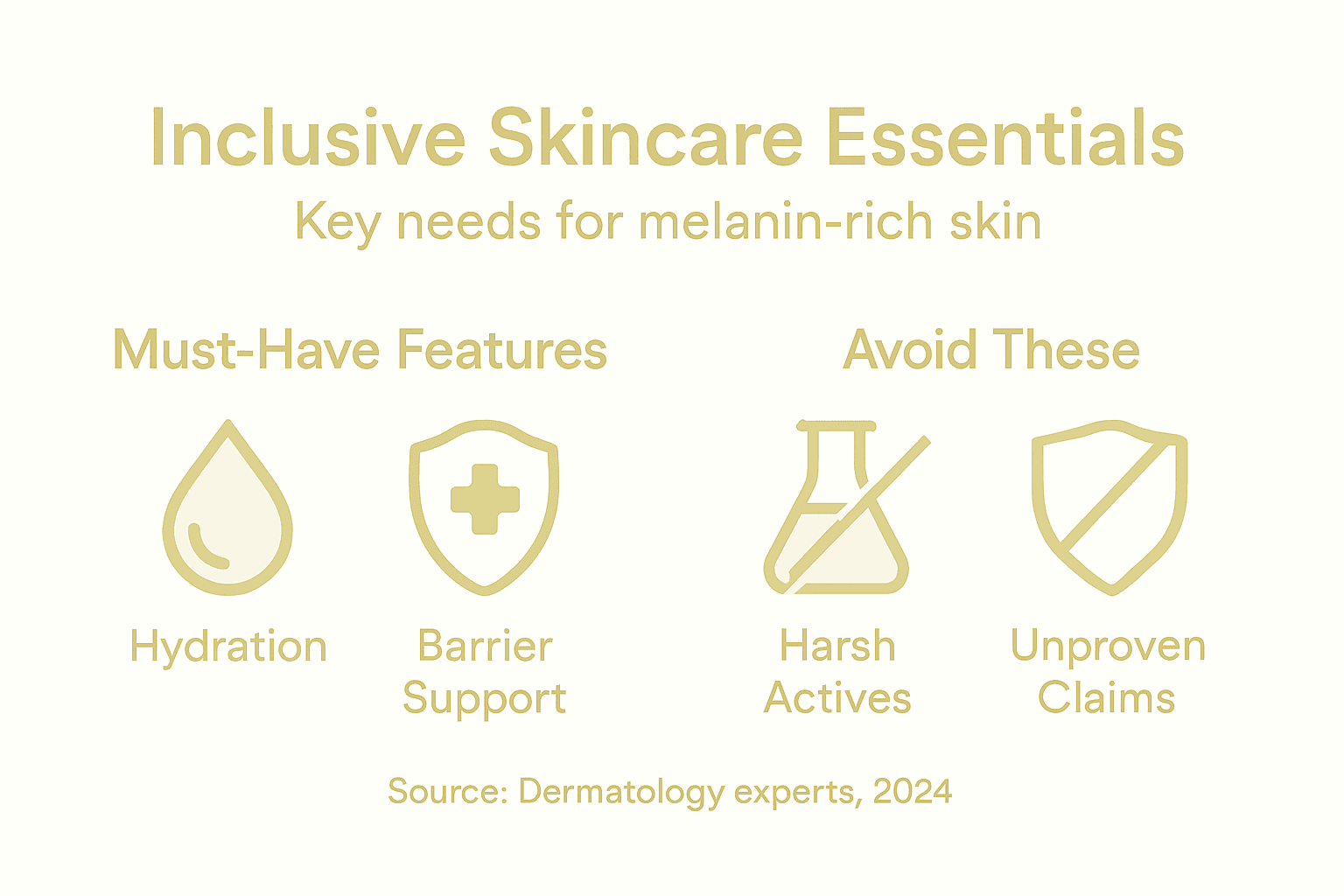
Your skin barrier is more reactive than lighter skin tones. This means products must prioritize calming, hydrating, and supporting rather than disrupting. One harsh ingredient can trigger inflammation, hyperpigmentation, or sensitivity that lingers for weeks.
Hydration as Foundation
Hydration isn’t a step you add after cleansing. It’s the core of every single product you use. Melanin-rich skin requires multiple layers of hydration to maintain barrier function and prevent trans-epidermal water loss.
Hydration features to seek:
- Humectants like glycerin and hyaluronic acid that draw water into skin
- Occlusives like ceramides and plant oils that lock hydration in place
- Hydrating base creams that provide sustained moisture throughout the day
- Products formulated with water-binding ingredients at high concentrations
- Lightweight formulas that absorb without leaving residue
A supportive hydrating cream with ceramides and hyaluronic acid provides the backbone most melanin-rich skin needs to stay comfortable and resilient.
Barrier-Respecting Ingredients
Your barrier is delicate. Products must strengthen it, not compromise it. This means avoiding harsh actives, high-percentage acids, and stripping formulations.
Barrier-supporting ingredients:
- Ceramides and lipids that mirror your skin’s natural structure
- Niacinamide for calming and barrier reinforcement
- Plant-based antioxidants that reduce inflammation without irritation
- Gentle hydrating extracts rather than aggressive actives
- Oils from plants like jojoba and rosehip that respect your pH
Barrier support prevents the inflammation cascade that leads to hyperpigmentation and sensitivity flares.
Gentleness Over Actives
You don’t need aggressive exfoliants or high-strength acids to see results. Melanin-rich skin responds better to consistent, gentle support than periodic harsh treatments.
A low-strength lactic acid peel used infrequently can provide gentle exfoliation without triggering irritation or post-inflammatory hyperpigmentation when formulated with hydration in mind.
Effective skincare for melanin-rich skin means supporting your barrier first, treating concerns second.
Why gentleness matters:
- Prevents inflammation that triggers hyperpigmentation
- Maintains barrier function long-term
- Builds resilience rather than creating dependency on strong actives
- Allows consistent use without recovery periods
Hyperpigmentation Prevention
Inclusive formulations recognize that inflammation is your skin’s primary enemy. Every ingredient is chosen to minimize irritation that could activate melanin production.
This means avoiding vitamin C at high concentrations, limiting retinol use, and choosing soothing alternatives to traditional brightening ingredients. Prevention through barrier support beats treatment after hyperpigmentation appears.
Pro tip: Build your routine around one hydrating product you absolutely love, then add one barrier-supporting step, then one gentle treatment—not the other way around.
Formulation Challenges and Ethical Commitments
Formulating skincare for melanin-rich skin isn’t simple. Brands face real scientific challenges that demand transparency, commitment, and honesty about what they’re doing and why.
The problem starts with decades of exclusion. Most skincare science was built on lighter skin tones, leaving massive gaps in understanding how ingredients perform on melanin-rich skin. Closing those gaps requires time, money, and genuine investment.
The Science Problem
Melanin-rich skin has different ceramide profiles, lipid distribution, and inflammatory response patterns than lighter skin. Addressing differences in ceramide profiles and sensitivity to inflammation means rethinking formulation from the ground up, not tweaking existing products.
An ingredient that calms fair skin might irritate melanin-rich skin. Concentrations that work beautifully on one skin type can trigger sensitivity or hyperpigmentation on another. This isn’t a marketing problem—it’s a legitimate scientific challenge.
Formulation obstacles include:
- Different skin barrier composition requiring adjusted ceramide ratios
- Hyperpigmentation risk from ingredients that are safe for fair skin
- Variable ingredient absorption rates across skin tones
- Inflammation responses that need specific soothing strategies
- Testing data gaps that slow product development
Ethical Commitments That Matter
Transparency, representation, and culturally sensitive products aren’t nice additions to skincare brands—they’re obligations. True inclusive skincare requires three commitments: rigorous testing, honest labeling, and accessibility.
Rigorous testing means including diverse skin tones in clinical trials from phase one, not as a final check box. It means collaborating with dermatologists and experts who specialize in melanin-rich skin, not just general skincare professionals.
Real ethical commitments look like:
- Diverse clinical testing with melanin-rich skin included from start to finish
- Transparent disclosure of testing practices and study populations
- Pricing that reflects quality without gatekeeping access
- Honest ingredient sourcing and environmental practices
- Investment in education for Black consumers about skincare science
Beyond Marketing Language
Many brands use “inclusive” as a marketing term while doing nothing different in formulation. True inclusion requires structural change—different testing protocols, different ingredient selections, different concentration strategies.
Inclusive skincare means saying no to ingredients that create hyperpigmentation risk, even if they’re trendy. It means choosing hydration and barrier support over viral actives.
Ethical inclusive skincare prioritizes your skin’s safety and efficacy over industry trends and profit margins.
The Black-Owned Brand Difference
Black-owned skincare brands often approach inclusive formulation differently. They start with melanin-rich skin as the priority, not an afterthought. This shifts everything about how products are developed, tested, and positioned.
A Black-owned brand’s commitment to barrier-respecting care and hydration-first routines reflects actual lived experience with melanin-rich skin, not research alone.
Pro tip: Check whether a brand publishes their clinical testing data, discloses the diversity of their study populations, and explains why they chose specific ingredients for melanin-rich skin—not just that they did.
What to Avoid in Non-Inclusive Skincare Choices
Non-inclusive skincare is everywhere. It looks professional, promises results, and claims to work for all skin tones. But behind polished marketing sits zero commitment to your skin’s actual needs.
The difference between inclusive and non-inclusive skincare often comes down to transparency and testing. If a brand won’t tell you how they tested their products or who they tested them on, that’s your first warning sign.
Here’s a quick comparison of inclusive and non-inclusive skincare approaches:
| Aspect | Inclusive Skincare | Non-Inclusive Skincare |
|---|---|---|
| Product Development | Prioritizes diverse skin tones | Focuses on lighter skin tones |
| Testing Practices | Clinical trials include melanin-rich skin | Rarely tests on darker skin |
| Ingredient Selection | Tailored for melanin-specific needs | Generic, one-size-fits-all |
| Transparency | Shares research and testing details | Uses vague marketing language |
Generic Formulations Without Testing
Products that lack transparency about ingredient safety for melanin-rich skin are dangerous, regardless of how well-marketed they are. A formula created for fair skin and sold to everyone without melanin-specific testing sets you up for irritation or hyperpigmentation.
Brands that don’t disclose their clinical testing populations are hiding something. If they won’t tell you whether their trials included Black skin, they didn’t include enough of it.
Red flags in non-inclusive products:
- No mention of testing on melanin-rich skin anywhere on the website or packaging
- Vague marketing language like “works for all skin types” without specifics
- Identical formulations across all skin tone categories with only packaging differences
- Lack of dermatological expertise or advisory boards focused on diverse skin
- No investment in education about ingredient efficacy for melanin-rich skin
High-Concentration Actives Without Melanin Testing
High-strength vitamin C serums, retinoids, and chemical exfoliants created without melanin-rich skin testing are risky. These actives can trigger hyperpigmentation, irritation, or long-lasting sensitivity.
A product tested on fair skin at 15% concentration might irritate melanin-rich skin significantly. The same ingredient at the same percentage can perform entirely differently.
Ingredients Known to Trigger Hyperpigmentation
Some ingredients are safe for fair skin but create serious hyperpigmentation risk for melanin-rich skin. Non-inclusive brands ignore this reality and use them anyway.
Ingredients with higher hyperpigmentation risk:
- High-concentration vitamin C (ascorbic acid) without melanin-specific testing
- Benzoyl peroxide at high concentrations
- Certain essential oils that increase photo-sensitivity
- Physical scrubs that cause micro-tears and inflammation
- Fragrance ingredients that irritate sensitive melanin-rich skin
Marketing Language Without Substance
Non-inclusive brands use words like “inclusive,” “diverse,” and “for all skin tones” while doing nothing different in formulation or testing. This is performative marketing, not real commitment.
Look for brands that explain why they made specific ingredient choices for melanin-rich skin, not just that they did.
Non-inclusive skincare prioritizes looking inclusive over actually being inclusive to your skin.
Inaccessible Pricing With No Accessibility Plan
Expensive skincare marketed as “inclusive” while remaining unaffordable contradicts the definition of inclusion. True accessibility means quality products at prices that don’t require luxury budgets.
If a brand won’t talk about accessibility or offer ways to try products affordably, their inclusion commitment is questionable.
Pro tip: Before buying, search the brand name plus “clinical testing melanin” or “dermatologist studies” to see if they publish transparent data about who their products were tested on.
Discover Skincare That Truly Respects Your Melanin-Rich Skin
The challenge with many skincare products is their one-size-fits-all approach that ignores the unique needs of melanin-rich skin. If you are seeking hydration, barrier support, and formulations designed to prevent hyperpigmentation and irritation, you deserve products created with your skin in mind. Navova is a Black-owned European brand that embraces these essential principles, putting gentle, barrier-respecting care at the core of every formula.
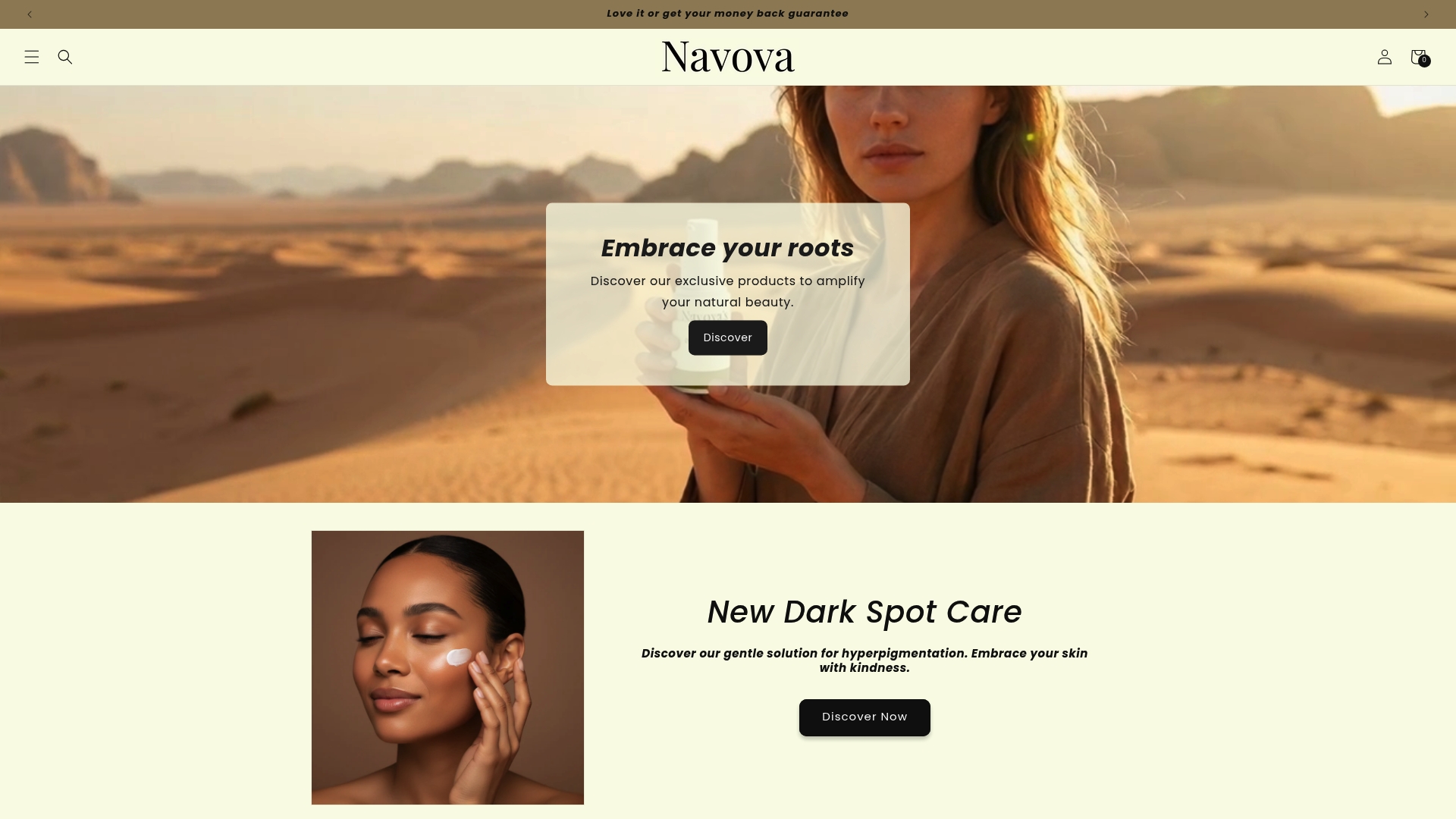
Explore Navova’s Skincare for COSMOS-certified products that prioritize hydration and balance instead of harsh actives. Feel confident knowing your routine supports long-term skin resilience without unnecessary irritation. Visit Navova today and start embracing your roots with skincare made to uplift your natural beauty.
Frequently Asked Questions
What is inclusive skincare?
Inclusive skincare refers to products and routines specifically formulated to address the unique needs of melanin-rich skin. It emphasizes the importance of testing formulations on darker skin tones during development rather than as an afterthought.
Why does melanin-rich skin require special consideration in skincare?
Melanin-rich skin has different barrier architecture, hydration needs, and sensitivity patterns than lighter skin. Ignoring these differences can lead to irritation and ineffective results, making it essential for brands to tailor their formulations accordingly.
What ingredients should I look for in skincare products for melanin-rich skin?
Look for hydrating ingredients such as humectants (like glycerin and hyaluronic acid), barrier-supporting components (like ceramides), and soothing antioxidants. These elements help maintain hydration and protect the skin barrier, reducing the risk of irritation and hyperpigmentation.
Are high-concentration active ingredients safe for melanin-rich skin?
High-concentration active ingredients, such as vitamin C or retinoids, can carry a higher risk of triggering irritation and hyperpigmentation for melanin-rich skin. It’s crucial to choose products formulated with gentler concentrations specifically tested for darker skin tones.