

How to Treat Hyperpigmentation Safely at Home
Finding hyperpigmentation solutions that respect melanin-rich skin often feels overwhelming, especially with so many choices that miss the unique needs of melanin-rich skin. The journey to brighter, even-toned skin requires understanding the real triggers behind dark spots—not just choosing the latest trend. Discover how gentle skincare and consistent routines can help fade hyperpigmentation while supporting your skin’s natural barrier, so you can confidently embrace a routine rooted in both science and holistic care.
Table of Contents
- Step 1: Assess Your Skin’s Needs And Triggers
- Step 2: Choose Gentle, Nourishing Skincare Products
- Step 3: Apply Targeted Treatments Consistently
- Step 4: Monitor Your Results And Adapt Routine
Quick Summary
| Key Insight | Explanation |
|---|---|
| 1. Identify Your Hyperpigmentation Triggers | Recognize what causes your dark spots to treat them effectively, rather than using one-size-fits-all solutions. |
| 2. Choose Gentle, Effective Skincare | Use non-irritating, nourishing products that support healing, avoiding harsh chemicals that can worsen dark spots. |
| 3. Commit to Consistent Treatment | Regular application of targeted treatments is essential for seeing results; sporadic usage can delay improvement. |
| 4. Monitor and Document Changes | Keep track of your skin’s progress over time to understand what works and adjust your routine as necessary. |
| 5. Patience is Key for Results | Hyperpigmentation treatment takes time; active commitment will yield better results than impatience or inconsistency. |
Step 1: Assess your skin’s needs and triggers
Understanding what triggers your hyperpigmentation is the foundation of treating it effectively. This step helps you identify your specific causes so you can address them directly, rather than using generic solutions that may not work for your skin.
Start by recognizing that hyperpigmentation occurs when skin cells produce excess melanin, and the triggers vary widely from person to person. What causes dark patches on your friend’s skin may have nothing to do with yours.
Ask yourself these key questions:
- Did your hyperpigmentation appear after sun exposure, a breakout, or an injury to your skin?
- Do you have a family history of dark spots or melasma?
- Have you recently started new medications or hormonal treatments?
- Does your hyperpigmentation follow a specific pattern (cheeks, forehead, upper lip)?
- Are certain areas worse during specific seasons or after sun exposure?
Your answers reveal patterns. Post-inflammatory hyperpigmentation typically appears after acne or skin injuries and fades over time. Sun-triggered spots develop gradually on exposed areas. Melasma often appears in symmetric patches and is linked to hormonal changes or sun exposure.
Identifying your trigger is half the battle. Without knowing what caused your hyperpigmentation, you’re treating symptoms, not the root cause.
Write down your observations for the next two weeks. Note when spots appear darker, what weather or activities preceded them, and any products you used. This tracking reveals patterns you might otherwise miss. For a clearer understanding of your unique skin profile, consider completing a skincare quiz that helps identify your specific skin concerns and needs.
Genetics play a significant role too. If your parents or grandparents experienced hyperpigmentation, your skin likely has a stronger tendency toward it. This doesn’t mean you’re stuck with dark spots, but it does mean you’ll need consistent, intentional care.
Here’s a summary comparing common types of hyperpigmentation and their key characteristics:
| Type of Hyperpigmentation | Main Causes | Typical Appearance | Expected Improvement Timeline |
|---|---|---|---|
| Post-inflammatory | Acne, injury | Flat, dark patches | 4-8 weeks with proper care |
| Melasma | Hormonal, sun | Symmetric brown patches | 12-16 weeks or longer |
| Sun spots | UV exposure | Small, dark dots | Gradual, several months |
| Genetic predisposition | Family history | Varies by person | Requires ongoing prevention |
Pro tip: Take clear photos of your hyperpigmentation in natural daylight every week. Comparing images over time shows real progress that’s often invisible day-to-day, keeping you motivated and helping you spot which triggers genuinely matter for your skin.
Step 2: Choose gentle, nourishing skincare products
The products you use during hyperpigmentation treatment make or break your results. Harsh formulas can trigger more dark spots, while the right gentle ingredients support your skin’s healing and reduce melanin production.
When selecting products, prioritize gentle skincare that supports skin health while addressing pigmentation. Your focus should be on three key product categories:
- Gentle cleansers that remove makeup and impurities without stripping your skin barrier
- Hydrating moisturizers with antioxidants and natural extracts to soothe and nourish
- Sunscreen (SPF 30+) to prevent further pigmentation and protect against UV damage
Look for ingredients that work with your skin rather than against it. Antioxidants like vitamin C and E protect your cells from damage. Natural extracts such as green tea or turmeric calm inflammation. Non-irritating moisturizers maintain hydration, which is critical because dehydrated skin becomes more prone to hyperpigmentation.
Avoid harsh exfoliants, strong acids, and overly active treatments when treating hyperpigmentation. Your skin barrier needs support, not aggression.
If you’re using topical retinoids derived from vitamin A for cell turnover and fading dark spots, you absolutely need quality moisturizers alongside them. Retinoids can cause dryness and irritation, so pairing them with hydrating creams becomes non-negotiable. Start retinoids slowly, using them two to three times weekly, and increase frequency only as your skin adapts.
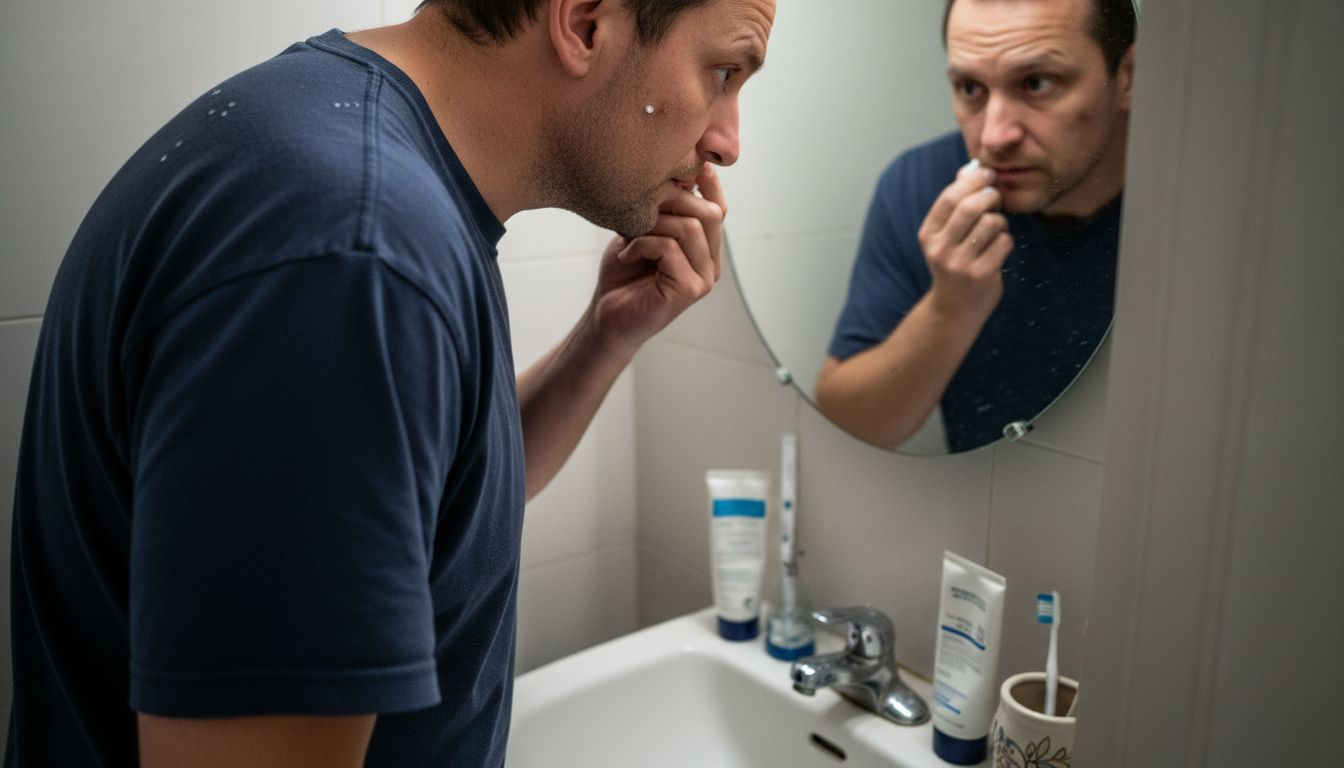
Navova’s micellar cleansing water gently removes makeup and impurities without harsh rubbing, while the hyaluronic comfort cream provides deep hydration that supports barrier function. If you want to incorporate gentle exfoliation, the renewal support peel with lactic acid combines chemical exfoliation with hydration, avoiding the harshness of physical scrubs.
Read ingredient lists carefully. If you see alcohol denat, fragrance, or essential oils high on the list, skip it. These irritate melanin-rich skin. Instead, scan for ceramides, glycerin, niacinamide, and peptides.
Use this quick reference to choose ingredients that support healthy skin during hyperpigmentation treatment:
| Ingredient Type | Good Examples | Avoid Examples |
|---|---|---|
| Antioxidants | Vitamin C, vitamin E | None |
| Soothing Extracts | Green tea, turmeric | Citrus oils, peppermint |
| Moisturizers | Ceramides, glycerin | Alcohol denat, fragrance |
| Exfoliants | Lactic acid (gentle) | Strong acids, physical scrubs |
Pro tip: Introduce one new product at a time, waiting two weeks between additions to catch any irritation before it escalates. This slow approach prevents accidental triggers that set your progress back.
Step 3: Apply targeted treatments consistently
Consistency is where most people stumble with hyperpigmentation treatment. You can have the perfect products, but skipping applications or stopping too early sabotages your results. This step teaches you how to build a sustainable routine that delivers visible fading.
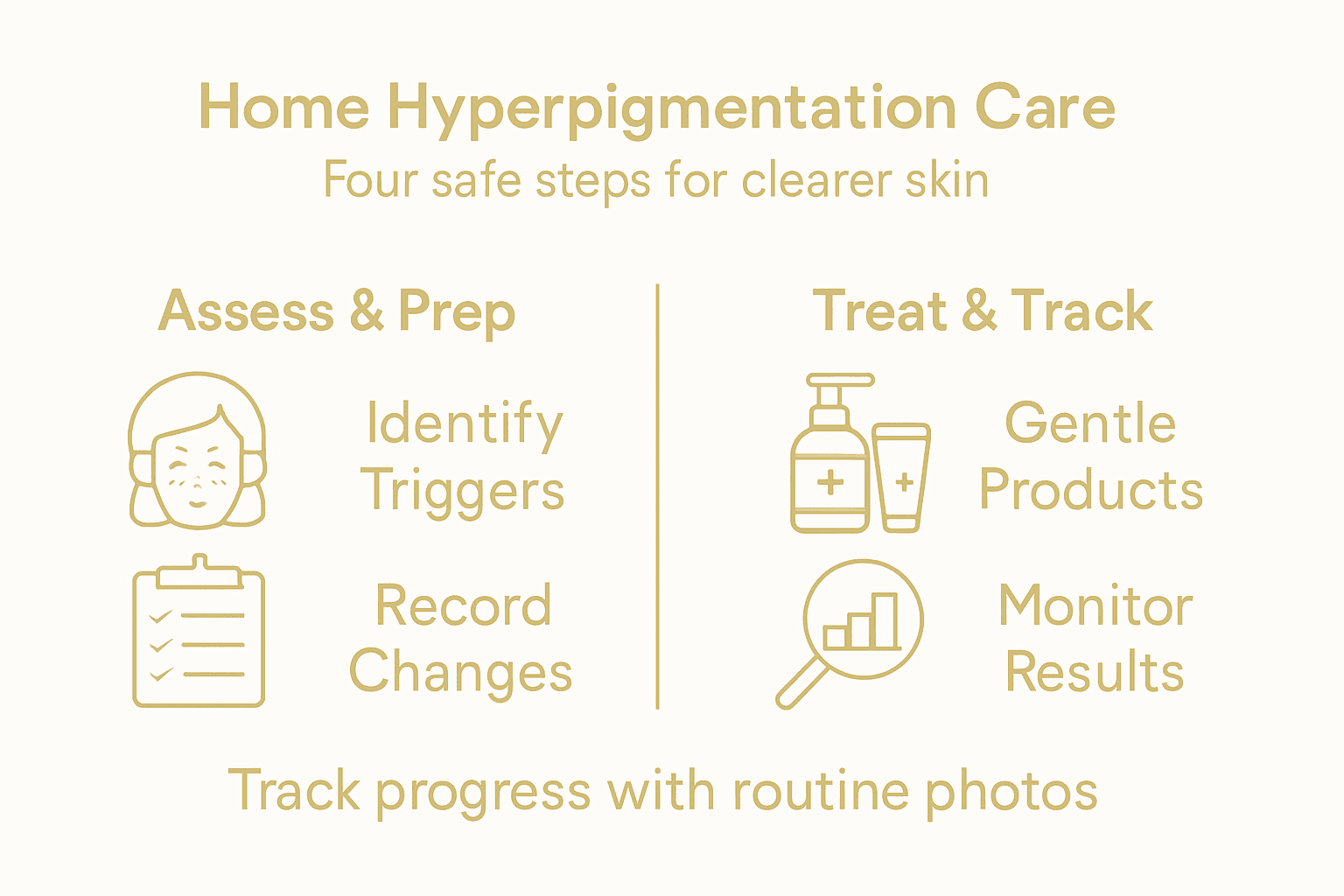
Effective treatment requires consistent application of targeted therapies00252-3/fulltext) over weeks to months. Topical agents like retinoids and azelaic acid work by inhibiting melanin production and increasing skin cell turnover. These changes happen gradually, not overnight. Most people see meaningful results after 8 to 12 weeks of consistent use.
Start with a simple routine that you can actually maintain:
- Morning: Cleanse, apply hydrating moisturizer, use broad-spectrum SPF 30+ sunscreen
- Evening: Cleanse, apply any targeted treatment (retinoid or brightening serum), follow with moisturizer
- Twice weekly: Add a gentle chemical exfoliant if your skin tolerates it
The frequency matters. If your treatment recommends daily use, commit to daily use. If it says three times weekly, stick to that schedule. Your skin adapts to consistency and responds better when you’re predictable. Sporadic application stretches results out indefinitely.
Skipping treatments for a week undoes progress you built over months. Consistency beats intensity every time with hyperpigmentation.
Combination therapies using multiple topical agents are more effective than single treatments. You might combine a retinoid with a hydroquinone-based serum, or pair retinoids with vitamin C. However, avoid mixing active ingredients that irritate your skin together. Layer gently, always giving your skin adequate hydration between actives.
Track your progress visually. Take photos every two weeks under consistent lighting. Your eyes adjust to gradual changes, but photos reveal the reality. Seeing fading spots motivates you to keep going, especially when you’re tempted to quit in month two.
Adjust your routine only if you experience persistent irritation or allergic reactions. Minor dryness or slight peeling means the treatment is working. Severe burning, redness that doesn’t calm, or swelling means you need to pause and reassess.
Pro tip: Set phone reminders for your evening treatments during the first month, then the habit will anchor itself to your existing nighttime routine like brushing your teeth.
Step 4: Monitor your results and adapt routine
Hyperpigmentation responds slowly, and without tracking progress, you might abandon a treatment that’s actually working. This step teaches you how to observe real changes and adjust your routine based on what your skin tells you.
Regular monitoring of treatment outcomes is critical in managing hyperpigmentation, since it can be slow to respond and prone to recurrence. You need a system to track pigmentation changes, skin sensitivity, and any adverse effects. What looks the same to your eyes may show clear improvement in photos taken weeks apart.
Set up your monitoring system right now:
- Week 1: Take baseline photos of hyperpigmented areas in natural daylight from the same angle and distance
- Every 2 weeks: Take comparison photos under identical conditions
- Weekly: Note any changes in texture, sensitivity, or new spots appearing
- Monthly: Review all photos together to spot fading you might have missed
What improvement actually looks like depends on your hyperpigmentation type. Post-inflammatory spots fade faster (4 to 8 weeks). Melasma and deeper pigmentation take 12 to 16 weeks or longer. Sun spots respond gradually over months. Knowing your timeline prevents premature disappointment.
Patience isn’t passive. It’s active commitment to a treatment that needs time to work on your skin’s timeline, not your expectations.
After 6 to 8 weeks, evaluate whether your routine is working. Look for these signs your treatment is effective:
- Spots appear lighter or less noticeable
- Hyperpigmented areas feel smoother
- New dark spots aren’t forming
- Your skin feels comfortable, not irritated
If you’re not seeing change after 8 weeks, adjust your routine by modifying treatment types, concentrations, or frequency. Maybe you need a stronger active ingredient, more frequent application, or a different product altogether. Don’t assume failure; assume you need to troubleshoot.
If you experience persistent irritation, burning, or worsening hyperpigmentation, pause your treatment and reassess. Sometimes our skin needs gentler approaches. Continue sun protection always to prevent new pigmentation and protect the progress you’ve made.
Pro tip: Create a simple spreadsheet or note in your phone documenting what you’re using, when you started, and monthly observations—this history helps you identify which ingredients actually work for your skin over time.
Begin Your Gentle Journey to Clearer Skin Today
Treating hyperpigmentation safely at home requires understanding your unique skin triggers and committing to consistent, nourishing care. If you have struggled with irritation from harsh products or felt frustrated by slow results, it is time to embrace a skincare approach that respects and supports your skin’s natural barrier. Navova, a Black-owned European skincare brand, specializes in gentle, barrier-respecting formulas created to boost hydration, soothe inflammation, and steadily reduce dark spots without aggression.

Discover how our COSMOS-certified products like the micellar cleansing water and the hyaluronic comfort cream can fit seamlessly into your routine. With Navova, you get intentional skincare built around balance and resilience so you can safely fade hyperpigmentation and embrace your skin’s true beauty. Don’t wait for another week of guesswork and irritation. Start your controlled, effective hyperpigmentation care now by exploring Navova’s full range and make every day a step closer to radiant skin.
Frequently Asked Questions
What is the first step in treating hyperpigmentation at home?
Begin by assessing your skin’s needs and identifying specific triggers for your hyperpigmentation. Keep a journal for at least two weeks, noting any changes in your skin after sun exposure or using new products.
How do I choose the right skincare products for hyperpigmentation treatment?
Select gentle, nourishing skincare products that support skin health. Focus on gentle cleansers, hydrating moisturizers, and broad-spectrum sunscreens with SPF 30 or higher to protect your skin from further damage.
How often should I apply targeted treatments for hyperpigmentation?
Apply targeted treatments consistently according to the product’s instructions, usually daily or several times a week. For best results, maintain this routine for at least 8 to 12 weeks to see meaningful improvement.
How can I monitor my progress in treating hyperpigmentation?
Take photos of your hyperpigmentation under the same lighting conditions every two weeks. Track any changes in texture, sensitivity, or the appearance of new spots, and review your progress at least once a month.
What ingredients should I look for when treating hyperpigmentation?
Focus on products with effective ingredients like vitamin C, niacinamide, and gentle exfoliants such as lactic acid. Avoid harsh chemicals and drying agents to prevent aggravating your skin.
How do genetics influence my hyperpigmentation?
Genetics can play a significant role in your skin’s tendency to develop hyperpigmentation. If you have a family history of dark spots or melasma, prepare to invest in consistent care to manage your skin condition.